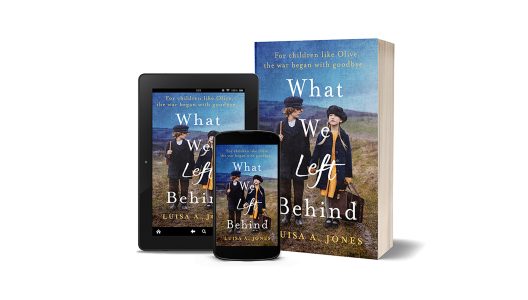
I’m delighted to welcome Luisa A Jones back to my blog today to talk about her new book What We Left Behind. I was very lucky to able to read an advance copy and found it absolutely fascinating to experience history through the eyes of Luisa’s characters. It’s a great read and one I thoroughly recommend.
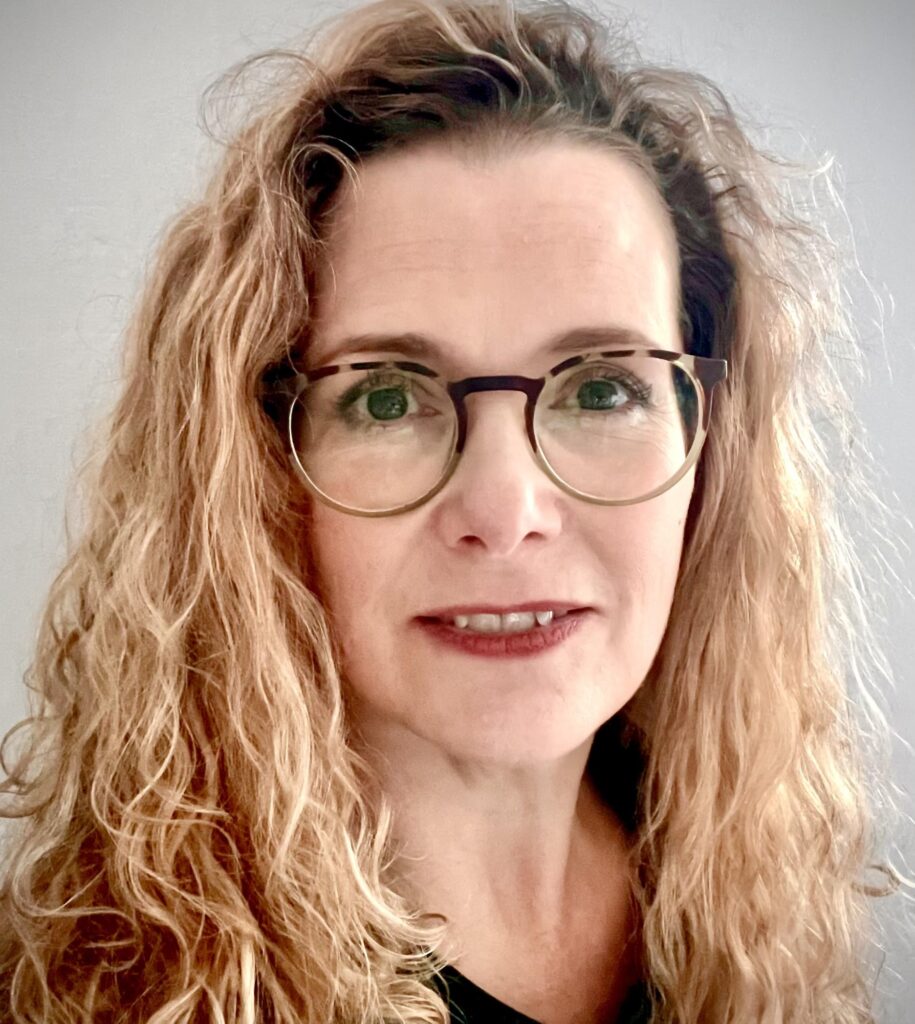
Luisa lives in South Wales, and takes inspiration from the Welsh countryside, towns, history, and of course its people. She writes captivating and emotional fiction with characters you’ll root for from the first page.
She studied Classical Studies at Royal Holloway and Bedford New College, University of London. Her previous jobs have included tour guide in an historic house; teacher in both primary and secondary schools; careers adviser; and corporate trainer/assessor.
Luisa loves using her creativity for crafting and baking, as well as writing historical and contemporary fiction with romantic elements. She and her husband are the proud owners of Gwynnie, a Volkswagen camper van built in 1974, which inspired the story behind Luisa’s first book, Goes Without Saying. They have three children, a dog, and two cats.
Becoming an author fulfilled a lifelong ambition.
Welcome back to my blog, Luisa to talk about your new book What We Left Behind, as we’re on the brink of war, I thought I’d go for go for a Barmbrack today, it was one of my grandmother’s recipes, from the war days, is that okay with you?
That sounds delicious, Anni. But I’m sure you won’t mind if I have a slice of Bara Brith instead. It’s a traditional Welsh tea loaf and I must confess I enjoy it slathered in butter.
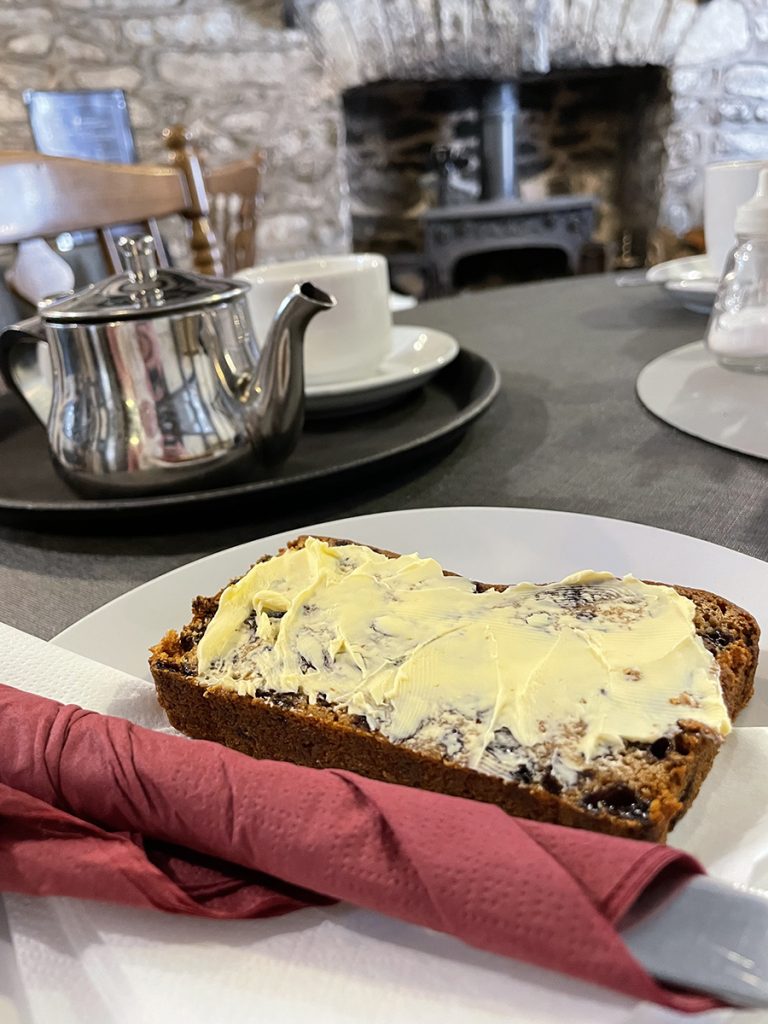
Ha ha, I would have been the most grumbly person ever having to replace butter with margarine 😂. However, butter rationing didn’t come in until 1940, right at the end of the book, so for the purposes of What We Left Behind I reckon you should let me have butter on it.
Okay, just this once! I have to say it; I love this book. I know that the title came quite late in the writing process, I love it too by the way, do you want to say something about this process and your concerns? I know writers who don’t give their work a title at all, but I need to have at least a rough idea of what it will be called, when I write, how about you?
I had absolutely no idea what this book would be called until a few weeks before publication! For ages it was just “WWII Book 1”, then I suggested calling it The Kindness of Strangers. My editor came up with What We Left Behind. I wasn’t sure at first, but quickly came round to it as it’s much more intriguing than my idea. One of the great things about having a publisher is that they have the expertise when it comes to convincing people to read the book. It leaves me free to focus on writing the story. Not having a title doesn’t seem to affect my writing process at all.
Before we go much further, tell me something about What We Left Behind.
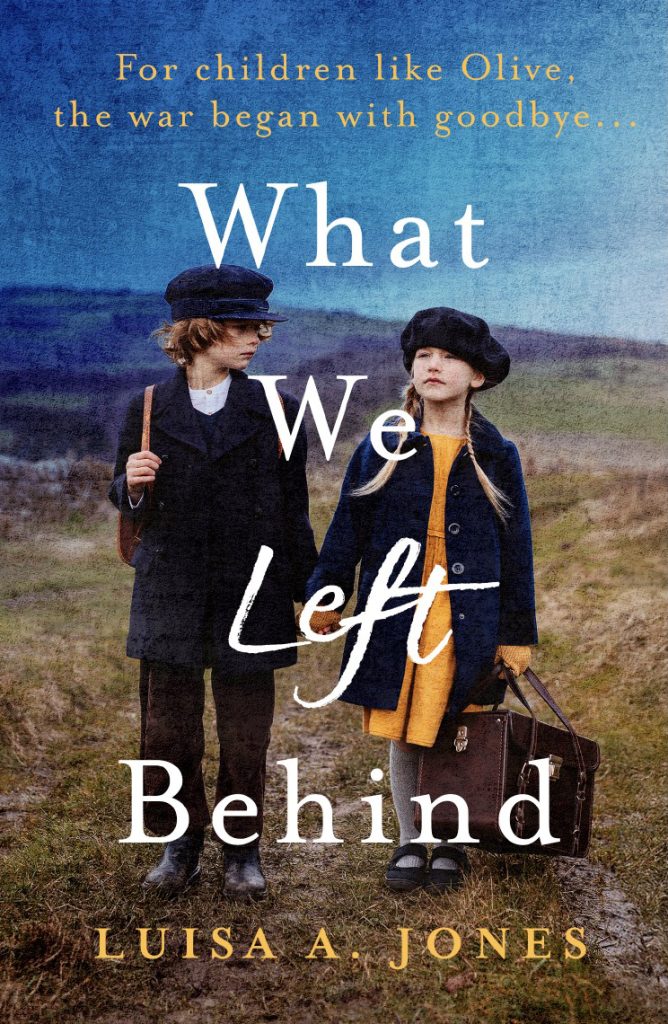
1939. Bombs threaten London and five small children step onto a rickety train, clutching their gas masks, heading to an uncertain future…
When the war with Nazi Germany sends five displaced children to her door, Dodie Fitznorton knows life in her quiet village will never be the same. Her once orderly home is now strewn with odd socks and abandoned toast crusts, and she gasps when she discovers a flea-infested ginger kitten hidden away upstairs.
But the baggage these little ones bring is far more than just their tattered suitcases. Eight-year-old Olive trembles when spoken to and won’t say how she got a bruised lip, and her brother Peter seems angry at the entire world. Then Dodie meets the children’s grey-eyed American teacher, Patrick Winter, who makes her feel she’s not alone in this fight.As darkness falls over Europe, Dodie’s fragile sanctuary begins to feel like a fortress under siege. With whispers of spies in the village and the children’s precious futures at stake, Dodie must decide who to trust before everything she’s built crumbles to ashes around her…
This moves the Plas Norton series on and it’s great to be back, with some of the characters from your previous books, what advice can you give anyone writing a series?
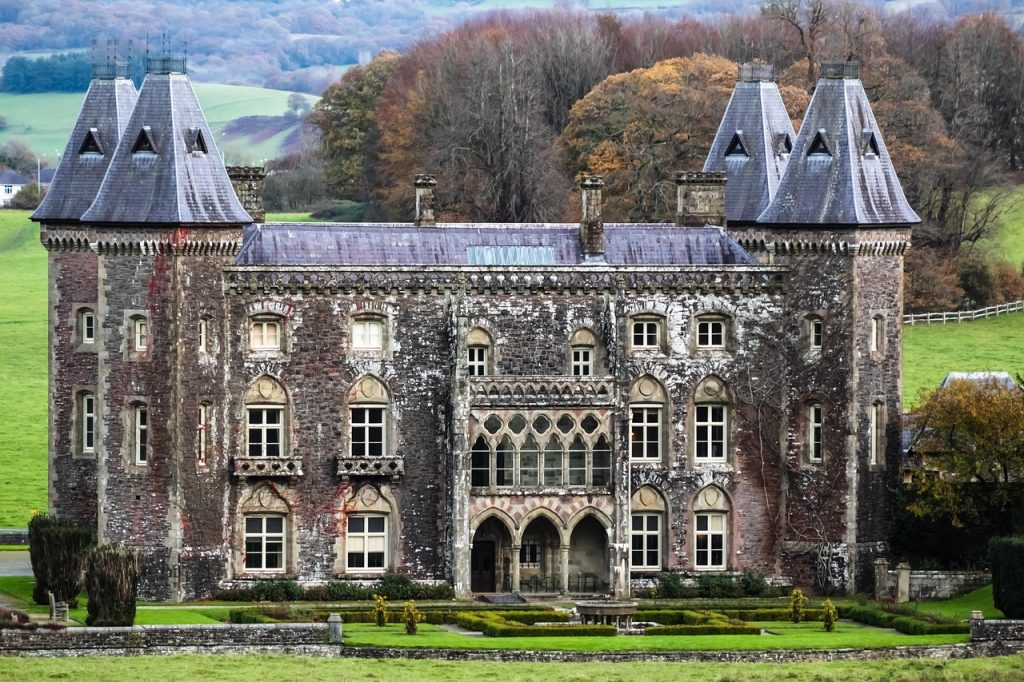
My editor was keen for my Second World War books to start a completely fresh new series, but having invested so much love into the characters and setting in the Fitznortons books I wasn’t ready to let them go. Luckily, my editor agreed to let me continue using the same setting of the gloomy manor house of Plas Norton (based on the real-life Newton House, Dinefwr), and the same family, provided a new reader could start these books with no knowledge of the back story.
I’d advise anyone writing a series to try to think ahead as much as possible. That way, if a character will need a particular skill or trait, or if a setting will be important later, you can establish these aspects early on. Think about your side characters and make them interesting, too, so that you have the option of focusing on them in future books. And make sure you write in a way that assumes your reader has come to each book fresh, so they won’t be confused about who’s who. You can still have fun dropping in little things that previous readers will love, like Easter Eggs in films.
I know in your biography you talk about being a tour-guide in a historic mansion, so if you were back to that job, describe Plas Norton to anyone visiting it for the first time?
Ooh, what fun. Let’s imagine we’re in 1939, then… Hello, everyone, and welcome to Plas Norton, home of the Fitznorton family for the past eighty years. Built in the Gothic Revival style by Sir Charles Fitznorton, great-grandfather of the current owners, to reflect his standing as a local industrialist, it is set in the Bryncarreg valley with an extensive deer park, deciduous woodland, and landscaped gardens. The main building with its four towers is built of local grey stone, with a roof of Welsh slate. I hope you’ll enjoy the opportunity to see the ornate ceilings in the library, dining room and ballroom, not to mention the impressive carved oak staircase in the entrance hall.
We have moved on quite few years! We’re just on the verge of the Second World War here. What drew you to write about this period and in particular evacuee children?
My editor encouraged me to write about the Second World War in my next series. As my books are all mainly set in Wales, I brainstormed topics which linked Wales and the war. As thousands of evacuees were sent to Wales even before the conflict began, it seemed an interesting angle to explore. As a mother, I can’t imagine sending my children away, without even knowing where they were going or who they would be staying with. It shows just how great the fear of bombings was in 1939 that city parents were prepared to do so.
Bryncarreg is hostile to the sudden arrival of children, I understand the town’s reaction wasn’t uncommon, but did you base this on real events? And how did you go about researching what life was like for evacuated children?
I did lots of research, mainly in history books, archives, and autobiographical accounts written by former evacuees. I was also very fortunate to be able to speak to an evacuee who told me about his experience of being evacuated from Southampton, which was great as I was able to ask lots of questions. Later I spoke to the daughter of a mixed-race evacuee whose family sadly faced racism when they initially arrived in Wales. The hostility my evacuee characters face is very much based on her account, combined with accounts I’ve read of culture clashes and resistance to the idea of incoming city dwellers whose attitudes, expectations and lifestyle were markedly different from those of people in rural areas.
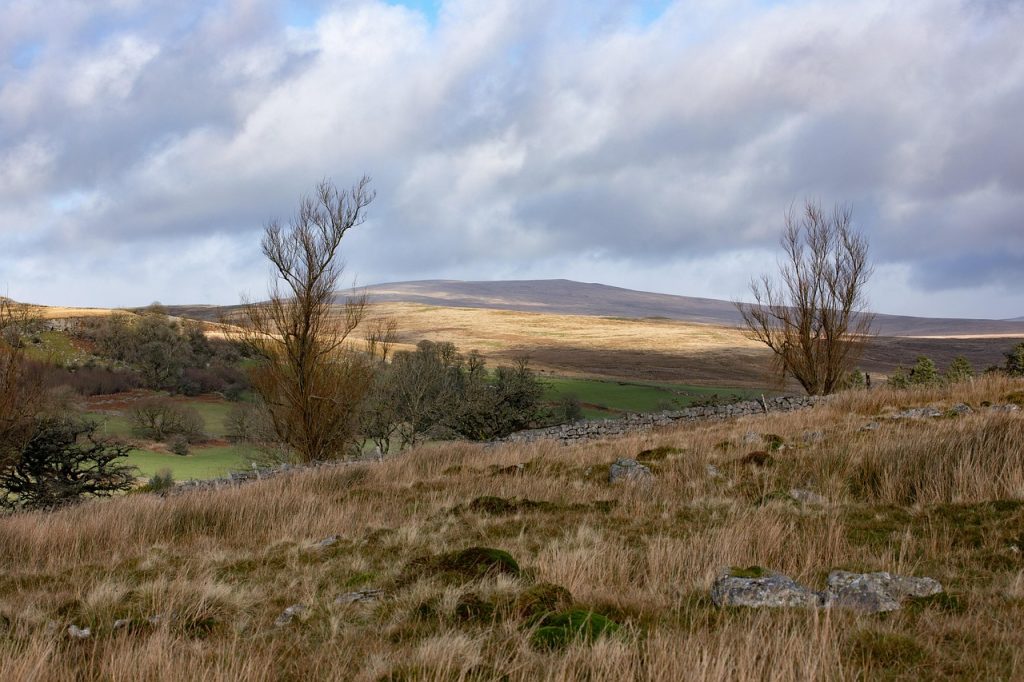
If you had to be evacuated, where would you most like to be evacuated to and why? Places here – don’t cheat, you can’t choose who you stay with?If I had to be evacuated, I’d want to go deep into the heart of the Welsh countryside, preferably to stay with a family who speak Welsh fluently so I could improve my rudimentary Welsh language skills while enjoying the glorious scenery!
I understand there’s another book in the Plas Norton series in the pipeline, can you tell us a little bit about it?
Yes, although the next one isn’t set at Plas Norton, but in the nearby town of Pontybrenin. In What We Left Behind the characters Maggie and Dolly have a sister Miriam, who appears briefly. In the book I’m currently writing, Miriam is married to a strict Welsh religious minister. He’s a staunch pacifist because of his traumatic experiences in the Great War, he hates the idea of supporting the war effort in any way. He’s angry when he and Miriam have to take in Norma, a glamorous young woman who has been evacuated from the East End of London because she’s pregnant. They soon realise that Norma had other reasons for wanting to get away from her previous life, and it isn’t long before her presence in the manse causes all sorts of problems.
That sounds fascinating and I can’t wait. Thank you so much for dropping by today Luisa to talk about What We Left Behind.
Thank you very much for inviting me!
It’s great to chat and good luck with publication. Anni x
Book and Social Media links for Luisa:
Buying link: https://amzn.to/4k1DJyg
Social Media links:
Website: www.luisaajones.com – Sign up for Luisa’s newsletter and get a free short story
Facebook: https://www.facebook.com/LuisaAJonesauthor
Instagram: https://www.instagram.com/luisa_a_jones_author
BlueSky: https://bsky.app/profile/luisaajones.bsky.social
https://www.bookbub.com/profile/luisa-a-jones?list=about